- Why does “Israel” prevent international journalists from entering Gaza?
- Why are Palestinians in Gaza not being interviewed on Canadian news?
- When Israeli soldiers filmed themselves detonating a $50 million Canadian funded water well in Gaza, why did Canadian media not report on this war crime?
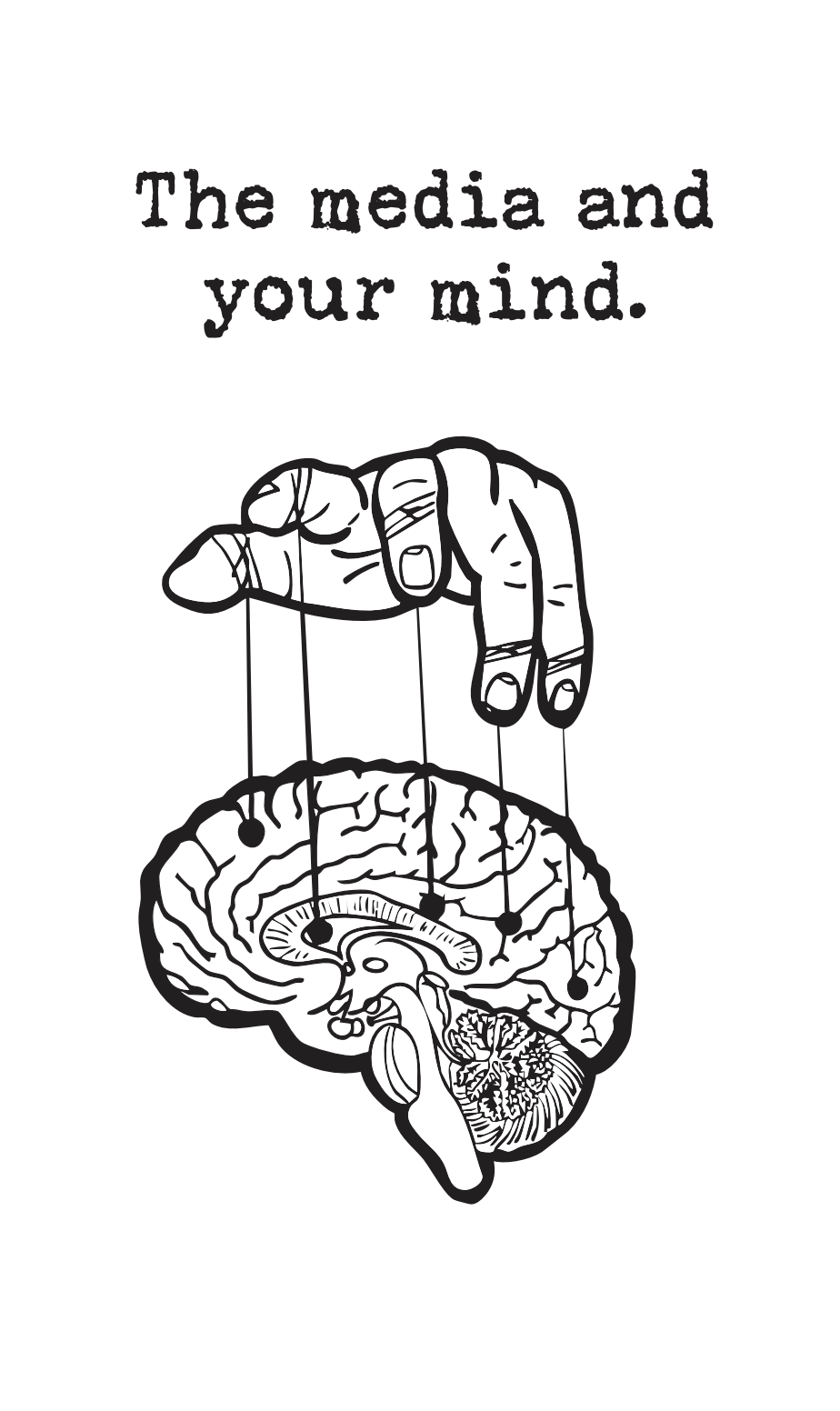
We are taught to trust the mainstream media (media) and their ability to report the facts objectively, taking the news at face value. However, there are several factors that impact how the news is reported, such as the interest of the owner(s), powerful lobbying groups, advertisers, and governmental political interests.
What we see in our media is often aligned with what politicians in the West/Global North want us to know, especially when it comes to who is the “bad guy” or the “enemy”. This has been very clear in the reporting of Israel’s genocide against Palestinians, as the media has repeatedly adopted the language used by Israel, for example:
- Calling it the “Israel-Hamas war”, not “Israel’s ethnic cleansing of Gaza”
- “Humanitarian crisis in Gaza” not “Israel’s forced starvation of Palestinians”
Filtering the Facts
Canadian newsrooms have long practiced the “Palestine exception — a pattern of bias and suppressions of Palestinian voices and Perspectives”. Some Canadian journalists have tried to resist efforts to suppress the truth, but have faced resistance from their managers. For example, two journalists from Canada’s national broadcaster (CBC) were told, after signing a letter calling for a fair and balanced coverage of “Israel’s” occupation of the Palestinian territories, that they no longer were permitted to cover it. CBC said that the journalists, by signing the letter, violated their journalistic standards and practices that states journalists must provide a balanced/nuanced reporting on all issues and not “take a public position that ‘affects the perception of impartiality and could affect an open and honest exploration of an issue.’” In other words, the management claimed that the public may view any reporting from these journalist on Palestine as a “conflict of Interest” because they signed a letter calling for “fair and balanced coverage”.
This is not the only example of journalism being muzzled by media; it is part of a systemic pattern of suppression. For example, media never interviews or platforms Palestinian voices, claiming that it is too complicated to cover and that there is not enough evidence to support Palestinians’ claims.
Covering up Israeli genocidal intent, war crimes, and crimes of apartheid is another example of this systemic suppression. For example, a public broadcaster decided not to report on what the Israeli Defence Minister said on October 9, 2023 when he ordered a complete siege of the Gaza strip; he stated, “We are fighting human animals and we act accordingly.” Another example is when the CBC decided not to cover a Human Rights Watch report that described Israel’s conduct towards Palestinians as apartheid.
By excluding Palestinian voices and refraining from reporting all the facts, the image the media presents to Canadians is not balanced and skewed to support the Israeli regime, if not explicitly in what they report, then implicitly in what they choose to exclude.
The political climate also has a big impact on what is reported. To date (September 10, 2025), Prime Minister Mark Carney and Victoria’s Member of Parliament Will Greaves have refused to call what is happening in Palestine a genocide, and remain supportive of Israel.
Another factor that impacts what and how news is reported is the media’s advertisers. Since media outlets are dependent on money generated through advertisements, they are not going to publish anything that may cause advertisers to stop supporting them, which would lead to a loss of income.
Ownership
Media ownership is perhaps the most important factor that influences what is reported and what voices are heard. A media outlet owned by shareholders with Zionist leanings is going to report everything with a pro-Israel spin and suppress Palestinian voices and perspectives. Zionism is a political ideology founded in the 19th century to establish a Jewish homeland through the colonization of Palestine.
In Canada, media ownership is concentrated in the hands of five companies which own 80 percent of the media. However, it is important to remember that Canadians can access media from other countries, as well as follow independent investigative journalists on online platforms like Substack.
Lobbying
The reasons why the media make the choices they do is further complicated when you consider the influence of Zionist lobbying groups. One such group is HonestReporting and its Canadian chapter, HonestReporting Canada (HRC), which are actively targeting newsrooms and journalists that highlight Palestinian voices and perspectives.
HRC has a system of media alerts that monitors all Canadian media outlets. As soon as an article or video report is published which they perceive as anti-Israel, they urge their members to email and call editors to demand retractions, corrections or apologies. Their campaign goes beyond requiring “factual corrections”, and in some cases they have urged the removal of entire guest segments or op-eds that criticize Israeli policy. They have also targeted specific journalists in Canada. The purpose of their activities is to silence Palestinian voices and to prevent Palestinians perspectives to be heard.

After October 7 2023, HRC activities have intensified. Media coverage that center Palestinian suffering or questions “Israel’s”military response is condemned as “misinformation,” “bias,” or even “terror apologia.” As a result of their lobbying, Radio-Canada issued a statement calling what an Oxfam official said about Gaza’s population being deliberately starved “misinformation”, when there is overwhelming evidence that this is not the case. A very recent example (August/September 2025) of Zionist lobbying is CTV’s correction/apology for using the word/phrases “genocide”, “continue to starve” and the “people of Palestine” without making it clear that these were quoted from from a UN report.
Zionist lobbying groups’ activities have led to what media scholars and advocacy groups have called a growing ‘chilling effect’ on Palestinian reporting.
Censorship
There are two types of censorships
- Self-Censorship (from journalists)
- Editorial/Managerial Censorship
Both can be found in the media reporting of the genocide against Palestinians.
Many journalists fear criticizing the Israeli government and its genocide against Palestinians, not only because of the harassment they will experience, or the activities of Zionist lobbying groups but also out of fear of losing their jobs and being called anti-semite. This fear has led journalists to censor themselves and a soften their coverage on “Israel’s” invasion and genocide in Gaza. An article in the Breach from May 2024 highlights instances where CBC watered down or avoided reporting on the full extent of Israel’s military operations and their impact on Palestinian civilians.

Editorial/management censorship can be illustrated by the reported firing of a journalist by The Associated Press (AP) due to tweets from republican university about the journalist’s pro-Palestine activism at an university. The official reason for the firing was that the journalist violated AP’s social media policy with their social media posts. Other examples include silencing Palestinian voices, informing journalists that have pitched ideas on Palestinian content that not only will it not be used, someone is also accusing them of antisemitism.
Lack of Historical Context
The reporting in the media and political statements about the “war/conflict/humanitarian crisis” in Gaza lack a historical context and make it seem as if it started on October 7, 2023 with an unprovoked attack on “Israel”. This is not true as Palestinians have faced military occupation, dispossession, and the forced displacement from Palestine for over 77 years. Alongside this violence, enormous efforts have gone into shaping Western/Global North narratives about Arabs and Palestinians to justify the ongoing oppression and the current genocide.
We urge you to take steps to educate yourself, a good starting point is the post: A Brief History of Canada’s Role in the Colonization of Palestine.
Framing
Filtering the facts, lobbying, censorship, advertisement, political context and a lack of historical context all impact how the news is framed. The same information can be given different meanings depending on what language is used, both in terms of words and grammatical structure (active vs passive voice). For example, there is a difference between what assumptions you make when reading these headlines: “Palestinians Starved to Death” vs “Forced Starvation Kills Palestinians”.
The development of what language to use in the media goes towards using more “sanitized” language to avoid harassment from Zionist lobby groups. In the past, words like “apartheid” could be used regularly to describe Israel’s regime across occupied Palestine, but today it is considered “controversial” because it carries the risk of pushback and harassment from lobby groups.
A four week long investigation, starting on October 7, 2023, into what language BBC One’s daytime coverage of the Israeli genocide against Palestinians used, found that journalists used the words: “murder, murderous, mass murder, brutal murder and merciless murder” 52 times when referring to Israelis’ deaths – but not once when referring to Palestinian deaths. Ask yourself why this is.

Words matter!
Repeating Israeli Lies
After October 7, 2023 the media has been quick to repeat Israeli lies, even stating they have seen videos supporting Israeli claims. The most well-known lie is probably that Palestinian militants beheaded 40 children on October 7. This lie still persists even though it has been disproven. Another claim that keeps getting mentioned in Canadian media is that “Israel” doesn’t target civilians despite clear evidence to the contrary. The following are some examples of Israeli lies that the media has repeated without any fact checking:

Controlling the Story
“Israel” has since the start banned international media from independently accessing Gaza. There has been some rare guided “Israeli” tours for international media and they have been allowed to join some of the flights air-dropping aid, but under conditions that allow “Israel” to dictate what they can report. “Israel” claims this is for the safety of the media staff.

The world is, therefore, depending on Palestinian journalists, photographers and activists turned journalists for any facts about what is happening on the ground in Gaza.
In response “Israel” has, as of September 9 2025, killed at least 248 journalists trying to tell the story of its genocide against Palestinians, and faces accusations of deliberately targeting them to suppress the truth. “Israel” claims that the targeted journalists are “Hamas”. First, there has been no evidence to support these claims. But more importantly, it is a war crime to kill unarmed people performing their work as journalists, whether they belong to an armed group or not. By Israeli logic, every adult Israeli man and woman in “Israel” is a legitimate target of Palestinian military operations, since they all serve in the IDF.
“Israel” has killed more journalists than was killed during the First and Second World War, the Korean War, the Vietnam War, the Afghan War and the Ukrainian War combined. Killing journalists is a war crime according to international law.
Critical Thinking
Since all news and other media reports are going through extensive filtering processes before they reach us, the most important thing we can do is to educate ourselves and think critically about what we read/see.
To think critically means:
- Identify biases i.e., knowing if/when certain people or organizations may have an unfair influence in shaping the information you can access.
- Analyze, and evaluate what you read/see/hear.
- Diversify your news sources. For example, you could also follow Palestinian journalists on social media or international human rights organizations issuing reports the genocide in Palestine.
Thinking critically will allow you to make judgements and decisions knowing all the facts of a situation rather than just accepting what the media reports.
Learn more
CBC has whitewashed Israel’s crimes in Gaza. I saw it firsthand
Israel’s targeting of Palestinian journalists in Gaza weakens its ‘trust us’ approach
CBC Journalists Told They Can’t Cover Israel-Palestine After Demanding Fairer Coverage
Why Won’t Carney Say “Genocide?”
How HonestReporting Canada wages a silent war on Canadian newsrooms
The chilling effects of trying to report on the Israel-Gaza war
What the papers say – October 11
‘Beheaded babies’ – How UK media reported Israel’s fake news as fact
Hamas tunnel and booby-trapped car found at Al Shifa hospital, IDF claims
Criticism of the Press Coverage
The Repression of Palestine Solidarity in Canada
Not Published by the CBC
- A Threshold Crossed: Israeli Authorities and the Crimes of Apartheid and Persecution
- What is happening in occupied East Jerusalem’s Sheikh Jarrah?
- Deadly Pattern 20 Journalist Died By Israeli Military Fire In 22 Years: No One Has Been Held Accountable.
- Thousands of Palestinians flee Jenin refugee camp after major Israeli raid
- HRF Calls on Barcelona Court to Arrest Israeli Soldier for Genocide and War Crimes
- The Killing of Hind Rajab
- ‘Not a normal war’: doctors say children have been targeted by Israeli snipers in Gaza
- Israel-Hamas war: What we know about ‘beheaded babies’
- October 7: Forensic analysis shows Hamas abuses, many false Israeli claims
- Smotrich says returning hostages ‘not the most important thing,’ sparking fierce backlash
- UNRWA: Claims Versus Facts
- An independent review finds no evidence for Israel’s claims about UNRWA and Hamas
- Israel is on notice for using sexual violence against Palestinians. It’s all too common as a war tactic
- How 2 debunked accounts of sexual violence on Oct. 7 fueled a global dispute over Israel-Hamas war
- 🤥 Israel is not committing war crimes since Hamas started the most recent escalation and Israel is only acting in self-defense.
- Israel concedes error in video claiming to show Hamas tunnels under Gaza hospital
- IDF evidence so far falls well short of al-Shifa hospital being Hamas HQ
- Amnesty International UK: Q&A on Gaza
- Israeli use of human shields in Gaza was systematic, soldiers and former detainees tell the AP
- U.S. analysis finds no evidence of widespread Hamas theft of Gaza aid
- Gaza: 875 people confirmed dead trying to source food in recent weeks
- Gaza: Israeli Killings of Palestinians Seeking Food Are War Crimes
- Israeli military investigates ‘reports of harm to civilians’ after hundreds killed near Gaza aid sites
- Questions and Answers on Israel’s Use of White Phosphorus in Gaza and Lebanon
- Lebanon: Evidence of Israel’s unlawful use of white phosphorus in southern Lebanon as cross-border hostilities escalate
- Opinion | The Twisted Logic of the Jewish ‘Historic Right’ to Israel
- One Democratic Palestine, from the river to the sea
- ‘One state is a game changer’: A conversation with Ilan Pappe and Awad Abdelfattah on the one democratic state campaign
- The choice: apartheid/genocide or a shared democracy
- There Are More Christian Zionists in the U.S. than Jews in the World
- Debunking the myth that anti-Zionism is antisemitic